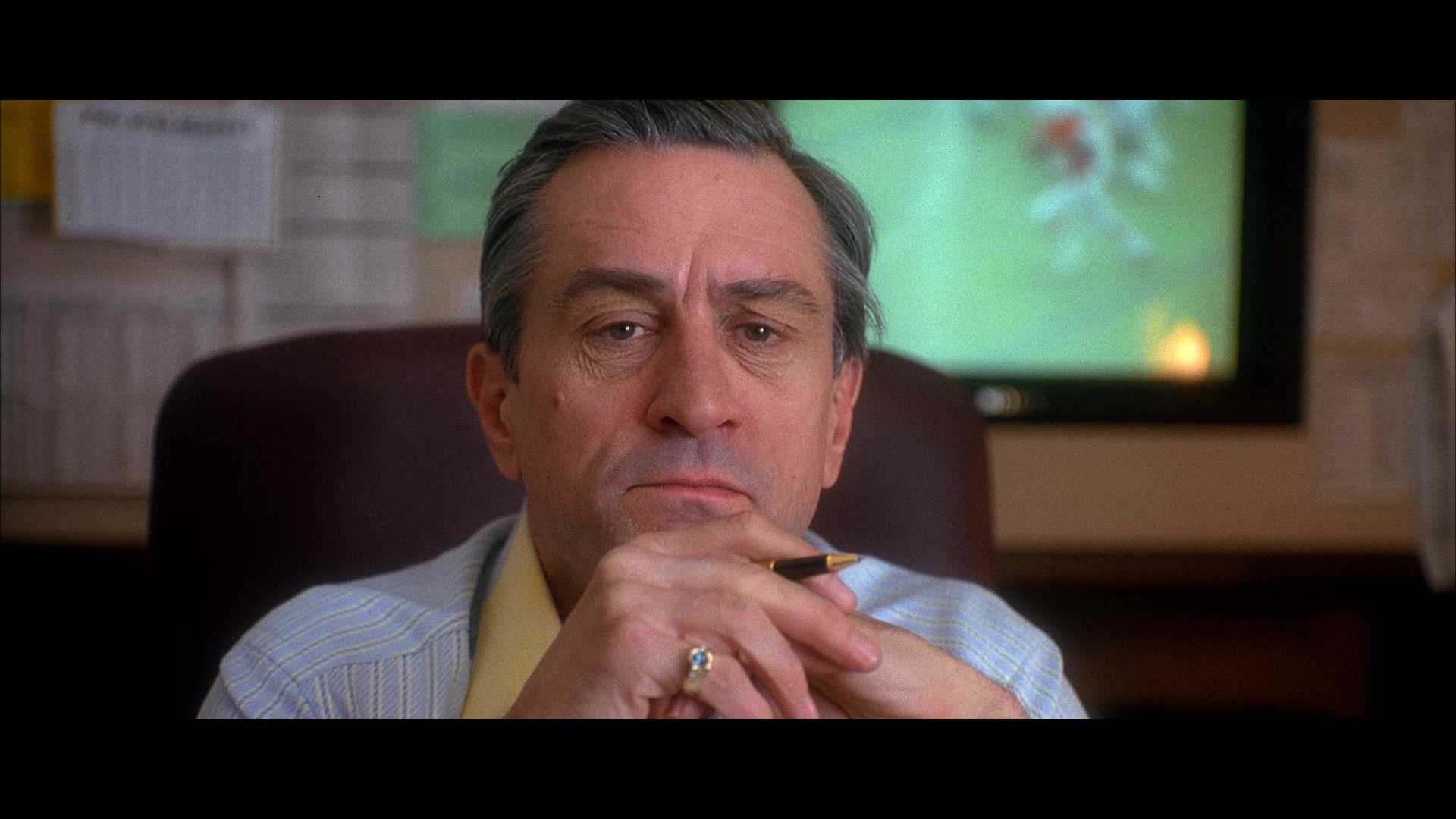
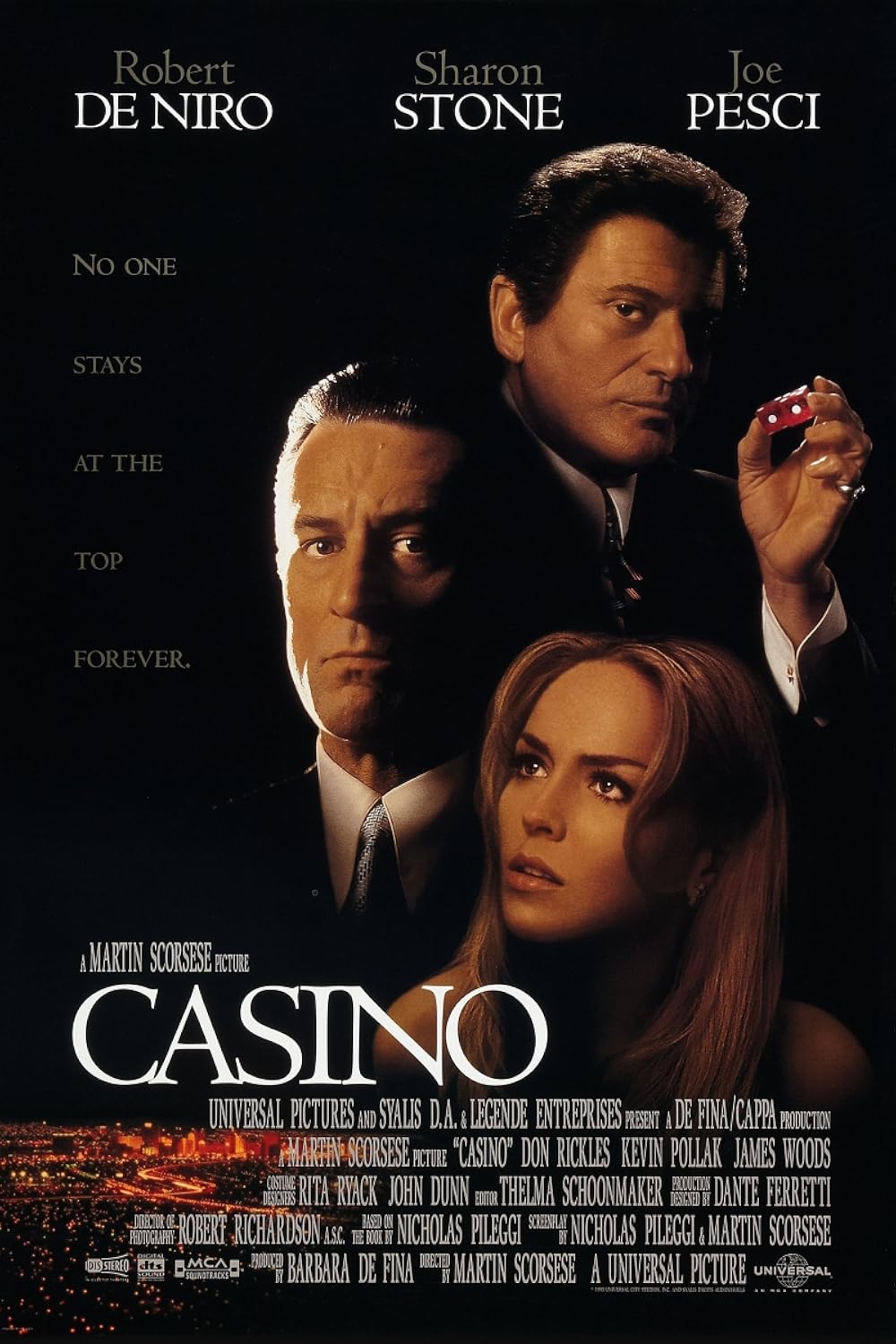
Casino - 1995
I've been to Las Vegas a couple of times in my life. Though I thought it was fun and different, I never felt like I had the “proper” experience. Something about it just seemed off; hollow, reserved, not truly living up to the legacy of the name. I think, subconsciously, I wanted to have the full effect of the glamorous experience: flowing champagne, bountiful buffets, the endless bells and strobing lights of penny slots, and late nights of dancing and raving the night away. All the things I saw in the movies. In fact, my parents made me watch Vegas Vacation before our first family trip, which is probably where the desired aesthetic first took hold. Even with my most recent solo trip there, it was difficult to fully let myself get wrapped up in the experience. Don’t get me wrong, I definitely enjoyed myself and had lots of fun eating new food, attending a show, and just taking in the views of the strip. But it’s difficult to indulge yourself in “Sin City” without also repeatedly checking the price of cocktails against what’s left in your wallet. Some of the people I met even indulged me in a few stories of Old Vegas (I tend to gravitate towards the older Gen X crowd, but not exclusively). And hearing their stories makes me go back to older media to vicariously enjoy an experience I never truly had. With all the fun I did have, I’m just glad that I didn’t have a car blow up with me inside of it.
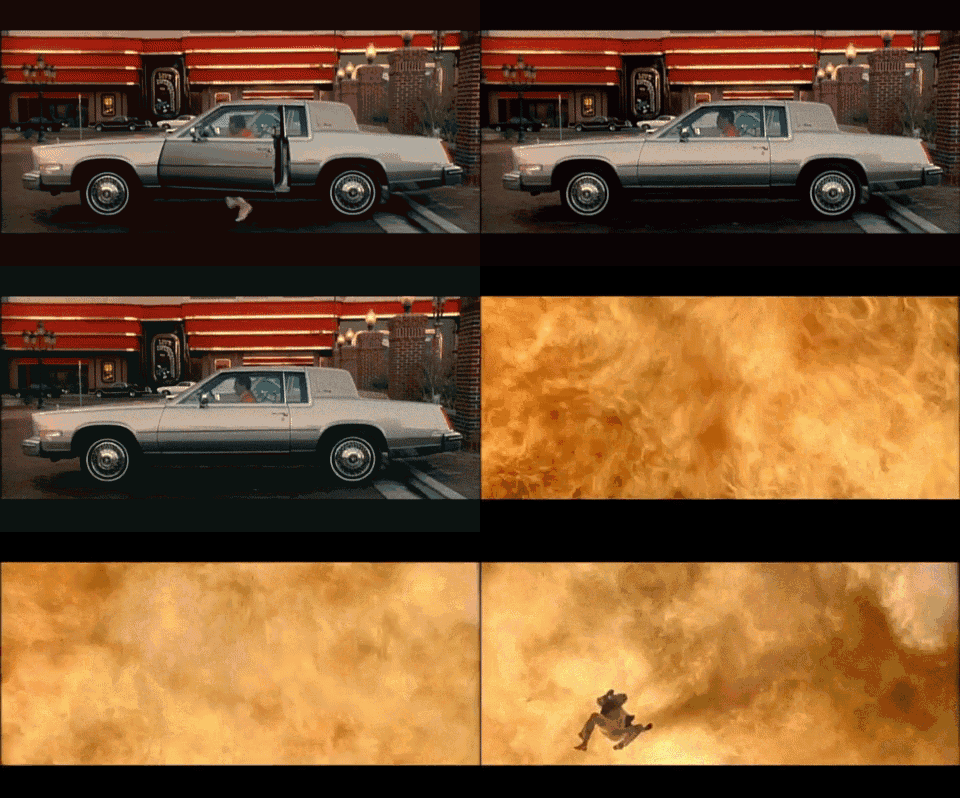
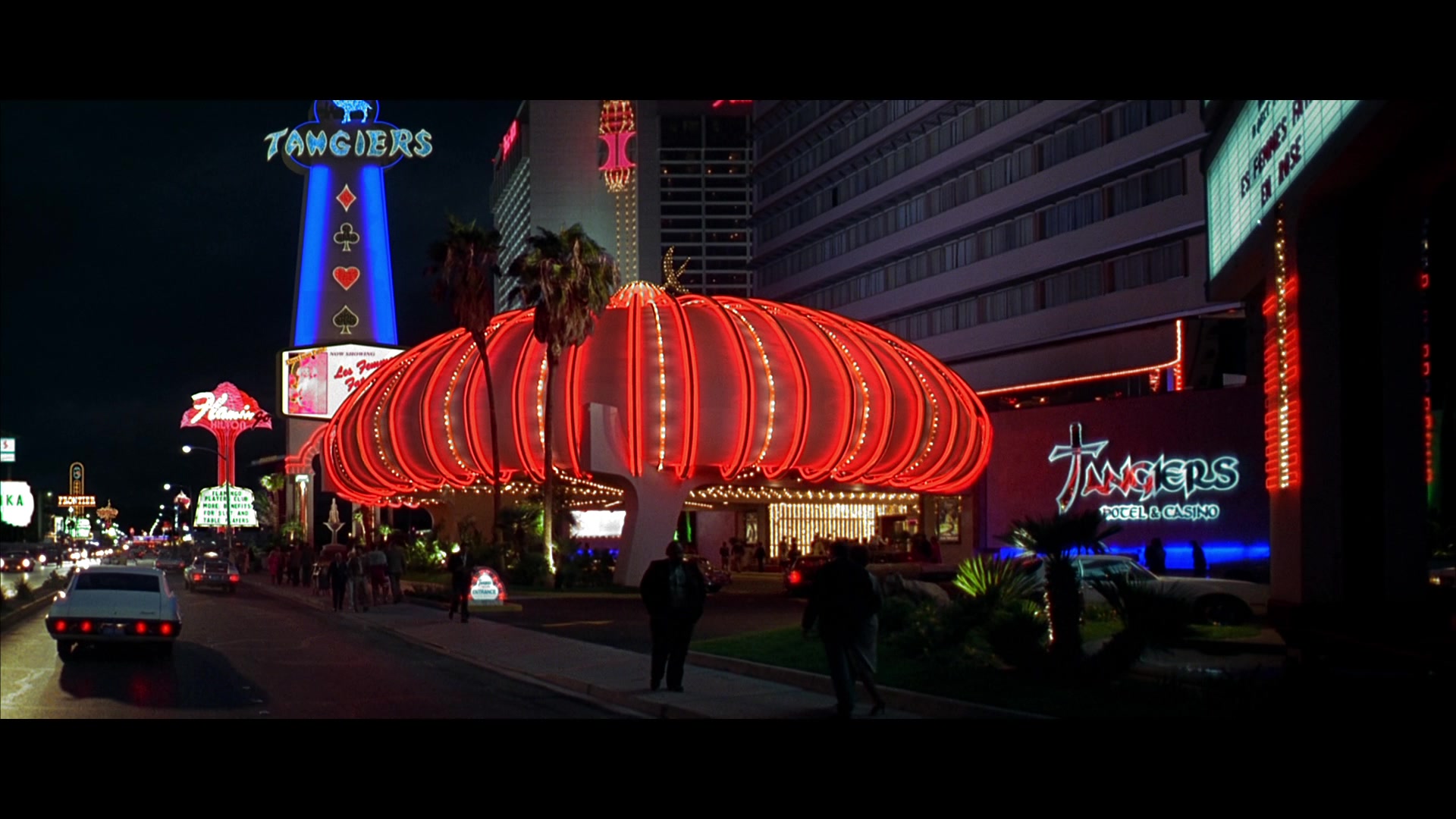
Surprisingly, I saw an ad for this movie on the homepage when I turned on my TV. Something about it grabbed my attention; perhaps it was the idea of Old Vegas that turned my head, so I clicked on it and began to let it play in the background. The infamous car sabotage scene happens immediately within the first 60 seconds, and admittedly, it got my attention real quick; it is a fantastic narrative hook. We are then introduced to Ace Rothstein, a Jewish sports handicapper from Chicago that works alongside the Italian mob. He’s a good little moneymaker, and in 1973, the bosses recruit him and his talents to help their frontman run the new Tangiers casino out in Vegas, which is where they run a cash skimming scheme for the midwest bosses based in nearby Kansas City. Along with Ace, they also send out a man named Nicky, Ace’s childhood friend and now strongarm to help protect the hotel, the cash skim, and Ace. Our final main character is Ginger, a hustler, call girl, and the lady who Ace quickly falls for. They eventually marry and have a daughter, buy a glamorous house in the suburbs, and all seems right in the world. At least, for the time being.
The movie casts Robert De Niro and Joe Pesci as Ace and Nicky respectively. I find that their characters are an interesting duo; Ace got picked up by the Italian mob, despite the fact that he’s Jewish. But we already learned that he was an amazing sports handicapper, so it makes sense that the bosses would want to keep their golden goose around. Ace is relatively levelheaded, tends to see the bigger picture, and ultimately, is good at making money. Nicky is the complete opposite of Ace: brash, narrow minded, and often fails to keep his temper in check. However, I really enjoy their dynamic; Ace knows how to talk to people to get the information he wants, and Nicky can just beat the shit out of them if diplomacy fails. And in the beginning, there’s a sense of twisted wholesomeness with how Nicky protects Ace. You try to return a pen to someone, they call you a couple of bad names, and then your best friend drives that pen straight into their neck, crumpling and beating them into the ground. It’s nice having someone that would do that for you, but you always have to wonder about the day where they’ll eventually do that to you.
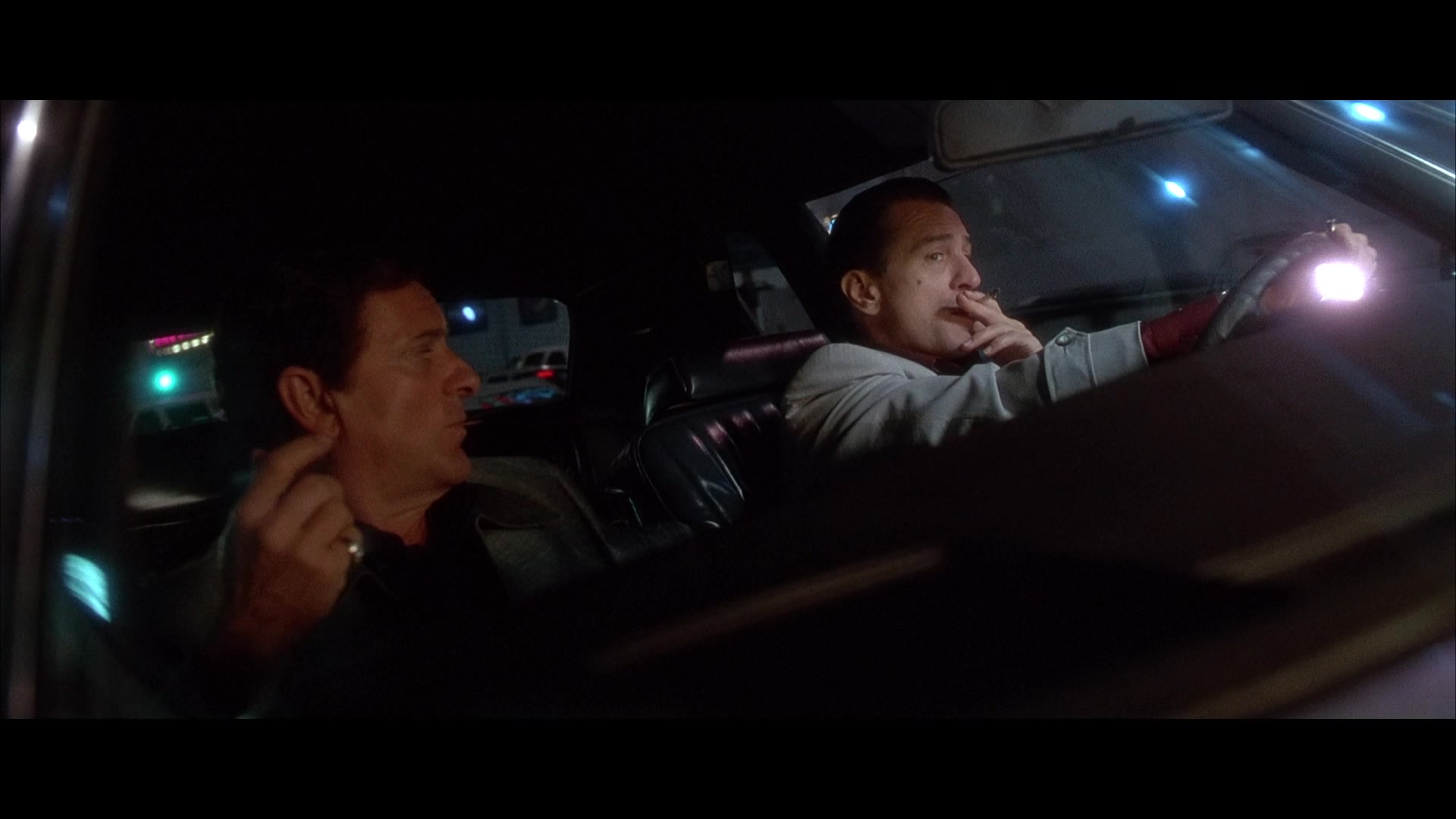
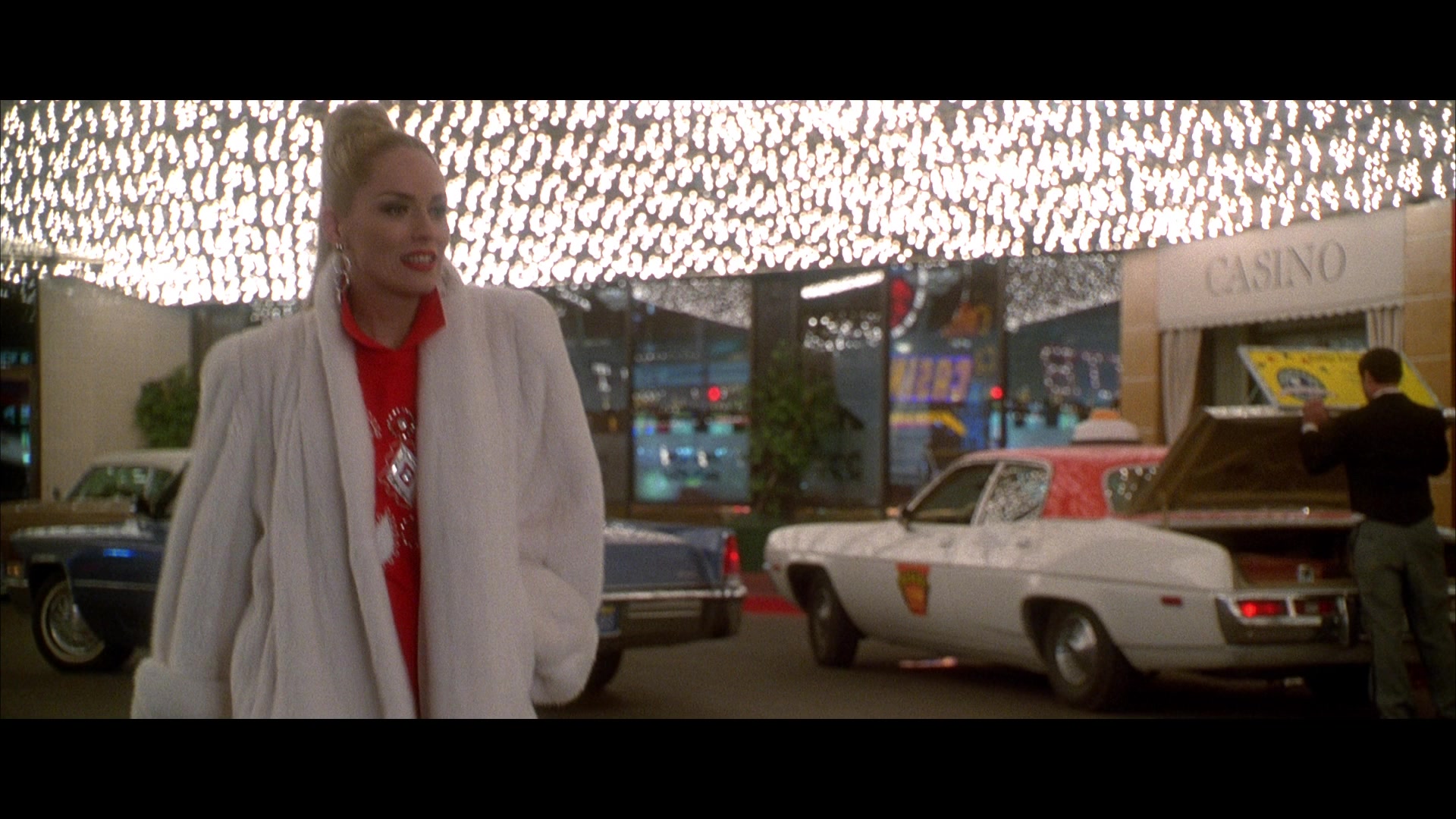
But enough about the men; we need to talk about the icon herself: Ginger. Played by the talented Sharon Stone, Ginger is a diva that knows how to get money and serve iconic looks while doing it. I mean the 40-inch high pony and fur combo, whew chile! She works the casinos, escorting and entertaining affluent businessmen and hustling the nights away. Obviously, things aren’t always so fabulous; she returns to a literal bum for a pimp that she just can’t seem to break away from, and the plethora of nose candies and stimulants in and around Sin City eventually take their toll on her. I pity her character; as the movie progresses, she ends up falling victim to the Hollywood stereotypes of the era with her amazing character losing some of her complexity as the movie progresses.
I like to split Casino into two acts: the rise, and the fall. The first hour or so depicts Las Vegas as the mysterious spectacle it is often portrayed as; bright lights, stylish outfits, booze, sex, and money all engulfed in a haze of cigarette smoke. Suckers some in, blow their money at the tables, give them a few comps and they keep coming back for more. Keep a look out, make sure the bosses get what they want, skim a little off the top, and everybody’s happy. It feels like everything should be right in the world. But life has a way of humbling those who start to forget their place in the machine. Something as insignificant as saying “no” to the wrong person can have a butterfly effect on the entire operation, and in Ace’s case, one poor decision led to his golden ticket blowing up in his face. It’s amazing to observe the role cause and effect plays in this film; as the dominos all fell down, I couldn’t help but wonder why people put everything on the line for ultimately nothing more than their own ego.
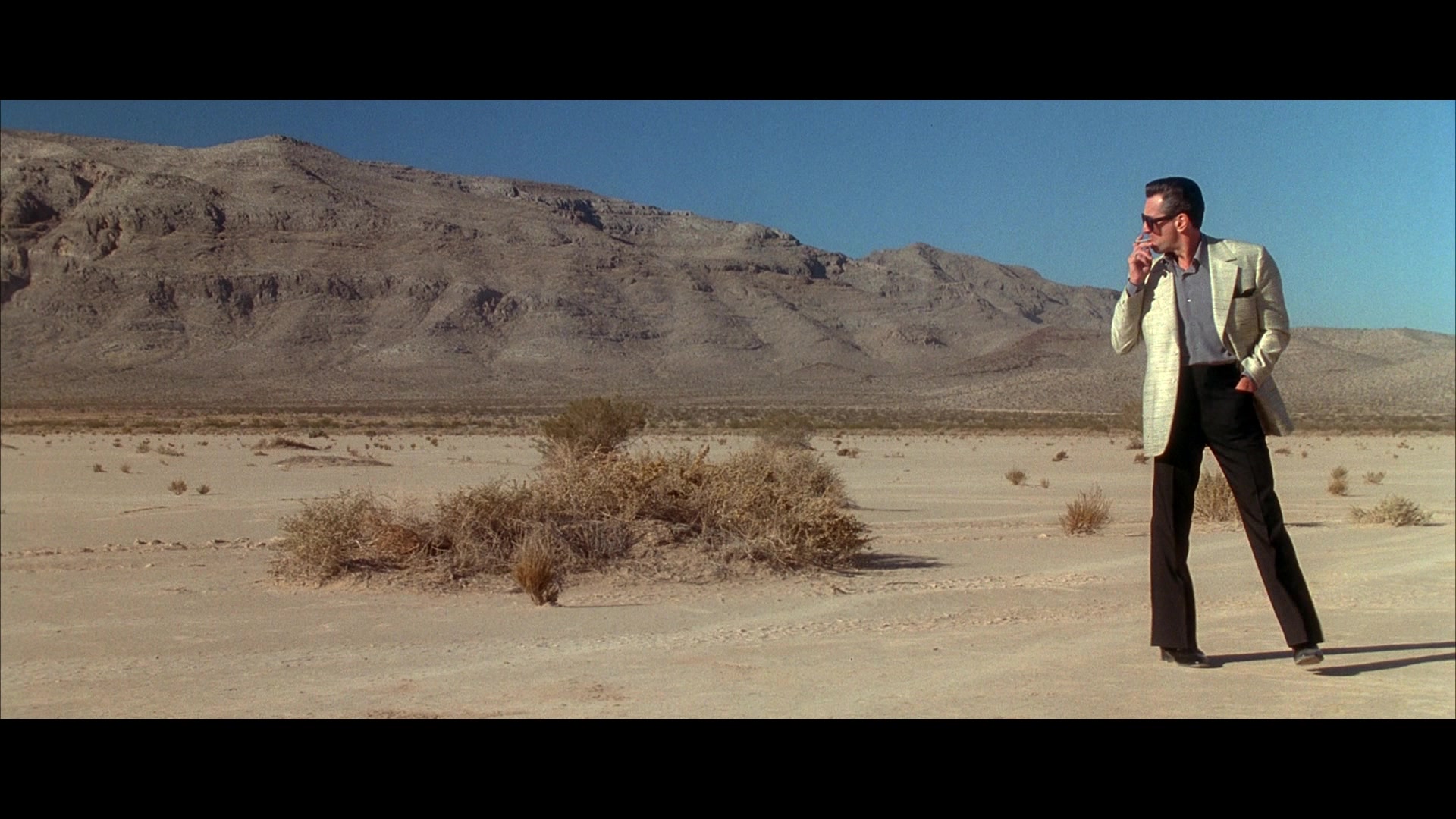
Casino is a movie about vice, and the difficulties of balancing selfish desires with swallowing your pride to maintain the status quo. I like how the movie shows the glitz and glamor of an idyllic Vegas tycoon life, then slowly peels back the facade to reveal the dark and gritty underbelly of the beast. It’s a sobering reminder of the fact that no matter how much you idolize a dream, you have to be willing to face the hard reality that oftentimes, prioritizing egotism to making a point usually isn’t worth it in the end.